Acquisition
Buying a Private Blog Network: Five Different Transactions
'Buying a PBN' can mean five unrelated purchases with different assets, different verification work and different exposure. Establishing which one is on the table is the first piece of due diligence.
Independent disclosure: This page contains affiliate links. We may earn a commission at no additional cost to you.
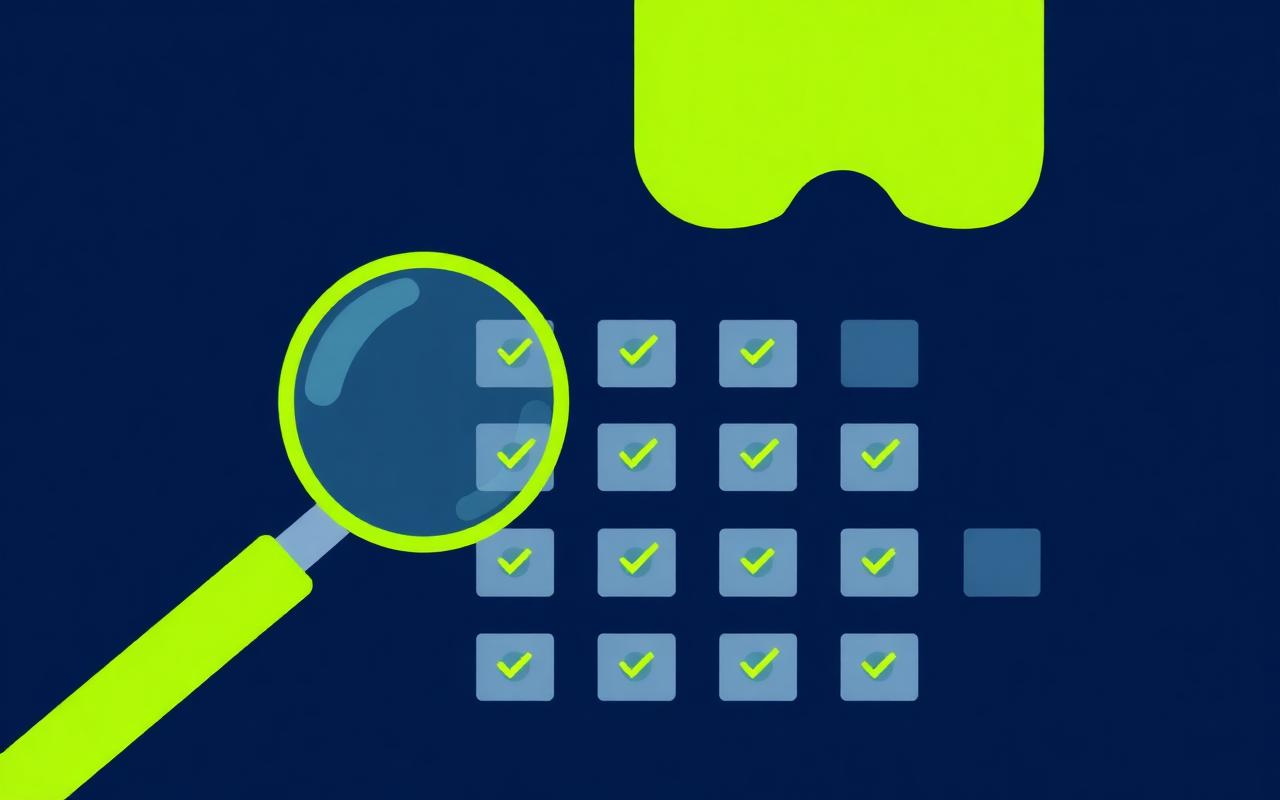
Five transactions, five risk profiles
1. Buying expired or auction domains
You receive a domain registration and nothing else: no content, no hosting, no traffic. Verify archived history, prior redirects, trademark exposure and backlink relevance before bidding. You do not automatically control how search engines currently treat the domain, and nothing about the purchase guarantees the historical authority survives rebuilding. Stage one of the setup checklist is the working procedure.
2. Buying an existing network
The largest transaction and the one with the most moving parts: domains, hosting accounts, CMS installs, content, existing links and any service contracts. Verify each asset separately — a seller may control the sites without owning the registrations, or may host on infrastructure that leaves with them. You inherit the previous operator's footprint and link history, good or bad. Where the estate is WordPress-only, consolidating it afterwards is straightforward — our Easy Blog Networks review covers free transfers and central management.
3. Buying PBN links
You buy a placement, not an asset. Nothing transfers: the site, hosting, editorial control and the ability to remove the link all remain with the seller. Paid links intended to pass ranking signals are explicitly covered by Google's link spam policies, and you have no way to guarantee the page persists.
4. Commissioning a network setup service
You buy labour: domain sourcing, hosting configuration, installs and initial content. Verify in writing who holds registrations and credentials at handover, whether the provider reuses templates or infrastructure across clients, and what the ongoing dependency looks like if you stop paying.
5. Buying hosting and management infrastructure
The most transparent of the five: you buy an environment for properties you already own. Nothing about the domains, content or links transfers — you are buying deployment and maintenance capacity. Easy Blog Networks belongs in this category. It provides managed hosting and maintenance for blogs you control; it does not sell domains, existing networks or links. Compare it with alternatives in the provider comparison.
Due-diligence matrix
| Item | Why it matters | How to verify | Deal-breaker signal |
|---|---|---|---|
| Domain ownership | Determines who legally holds the asset | Registrant records plus registrar confirmation in writing | Seller cannot show registrant control |
| Registrar access | Without it, transfer cannot complete | Auth codes and account handover procedure agreed before payment | Access promised 'after payment' with no escrow |
| Hosting access | Determines whether sites keep running post-sale | Panel or dashboard credentials and current provider list | Hosting stays on seller-owned accounts indefinitely |
| CMS credentials | Administrative control of each install | Administrator accounts created for you before transfer | Shared logins the seller retains |
| DNS control | Determines who can redirect the sites | Nameserver and record access, documented | DNS managed by a third party you cannot contact |
| Historical content rights | Reused or scraped content is a liability | Provenance for text and images, licences for media | No answer on where the content came from |
| Trademark and copyright | Prior brand use can create legal exposure | Archive review plus a trademark search on the name | Domain trades on someone else's brand |
| Existing redirects | Old redirects can carry unwanted history | Redirect chain checks and archived configuration | Undisclosed redirects to unrelated properties |
| Backlink history | You inherit the profile, not just the site | Independent backlink review, not the seller's export | Profile is obviously manipulated or irrelevant |
| Indexation state | Shows how search engines currently treat the site | Site queries and coverage data where available | Widespread deindexation with no explanation |
| Analytics and Search Console | Property ownership must move with the site | Ownership transfer during handover | Seller keeps verification and refuses transfer |
| Backups | Determines whether you can recover anything | A restorable backup provided and tested before payment | No backups exist |
| Ongoing service dependencies | Hidden subscriptions can break the estate later | Written list of every third-party service in use | Undocumented services the seller controls |
Domain ownership
- Why it matters
- Determines who legally holds the asset
- How to verify
- Registrant records plus registrar confirmation in writing
- Deal-breaker signal
- Seller cannot show registrant control
Registrar access
- Why it matters
- Without it, transfer cannot complete
- How to verify
- Auth codes and account handover procedure agreed before payment
- Deal-breaker signal
- Access promised 'after payment' with no escrow
Hosting access
- Why it matters
- Determines whether sites keep running post-sale
- How to verify
- Panel or dashboard credentials and current provider list
- Deal-breaker signal
- Hosting stays on seller-owned accounts indefinitely
CMS credentials
- Why it matters
- Administrative control of each install
- How to verify
- Administrator accounts created for you before transfer
- Deal-breaker signal
- Shared logins the seller retains
DNS control
- Why it matters
- Determines who can redirect the sites
- How to verify
- Nameserver and record access, documented
- Deal-breaker signal
- DNS managed by a third party you cannot contact
Historical content rights
- Why it matters
- Reused or scraped content is a liability
- How to verify
- Provenance for text and images, licences for media
- Deal-breaker signal
- No answer on where the content came from
Trademark and copyright
- Why it matters
- Prior brand use can create legal exposure
- How to verify
- Archive review plus a trademark search on the name
- Deal-breaker signal
- Domain trades on someone else's brand
Existing redirects
- Why it matters
- Old redirects can carry unwanted history
- How to verify
- Redirect chain checks and archived configuration
- Deal-breaker signal
- Undisclosed redirects to unrelated properties
Backlink history
- Why it matters
- You inherit the profile, not just the site
- How to verify
- Independent backlink review, not the seller's export
- Deal-breaker signal
- Profile is obviously manipulated or irrelevant
Indexation state
- Why it matters
- Shows how search engines currently treat the site
- How to verify
- Site queries and coverage data where available
- Deal-breaker signal
- Widespread deindexation with no explanation
Analytics and Search Console
- Why it matters
- Property ownership must move with the site
- How to verify
- Ownership transfer during handover
- Deal-breaker signal
- Seller keeps verification and refuses transfer
Backups
- Why it matters
- Determines whether you can recover anything
- How to verify
- A restorable backup provided and tested before payment
- Deal-breaker signal
- No backups exist
Ongoing service dependencies
- Why it matters
- Hidden subscriptions can break the estate later
- How to verify
- Written list of every third-party service in use
- Deal-breaker signal
- Undocumented services the seller controls
Thirteen checks. Anything in the last column should stop the transaction, not merely reduce the price.
Chronological transfer checklist
Work through the phases in order. Nothing is stored — the boxes are local to your browser.
Before payment
At transfer
Before DNS changes
After migration
First 30 days
Red flags
If the conclusion is that you would rather build than buy, the architecture and risk guide covers the strategic layers and the setup checklist covers execution.
Related guides
PBN Hosting Providers: Compare the Operating Models
A named provider comparison, a selection matrix and a five-question decision flow for choosing a PBN hosting model.
Focuspbn hosting providers, private blog network hosting, pbn hosting service, hosting for pbn, private blog network service
Read guide
Private Blog Network Guide: Architecture, Operations and Risk
The ten operating layers of a private blog network, a layered architecture diagram, and an honest split between hosting-side and non-hosting risk.
Focusprivate blog network guide, pbn guide, private blog network, pbn private blog network
Read guide
PBN Setup: An Operational Checklist
A printable six-stage setup checklist plus a responsibility matrix showing what a managed platform absorbs and what stays yours.
Focuspbn setup, pbn domains
Read guide